SenseWeather: Multimodal Sensing for Robust Robotic Perception under Extreme Conditions
Fucai Ke, Sukai Huang, Junyi Hao, Kal Backman, Naim Rastgoo, Gholamreza Haffari, Hamid Rezatofighi
Arxiv · 2026
PDFPushing the boundaries of how machines perceive and interact with the world.
This research area focuses on 2D visual understanding from images and video. It includes object detection, semantic and panoptic segmentation, human/object pose estimation, multi-object tracking, optical flow, and depth estimation.
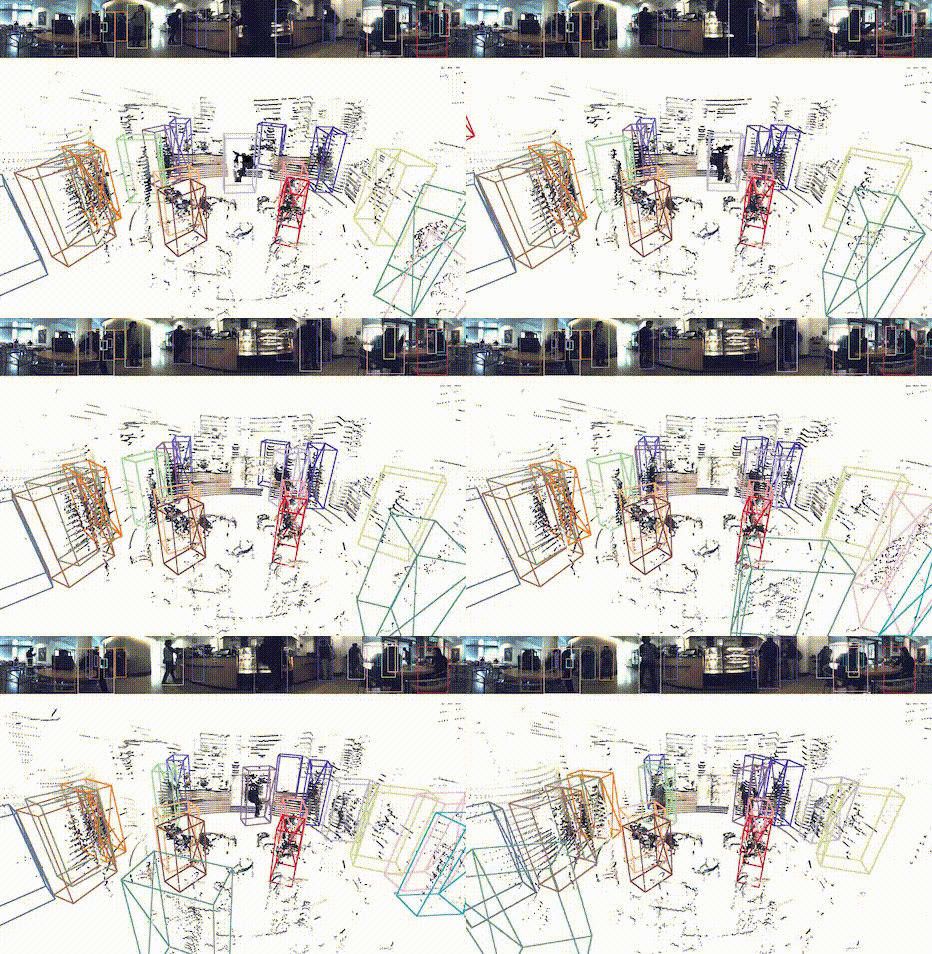
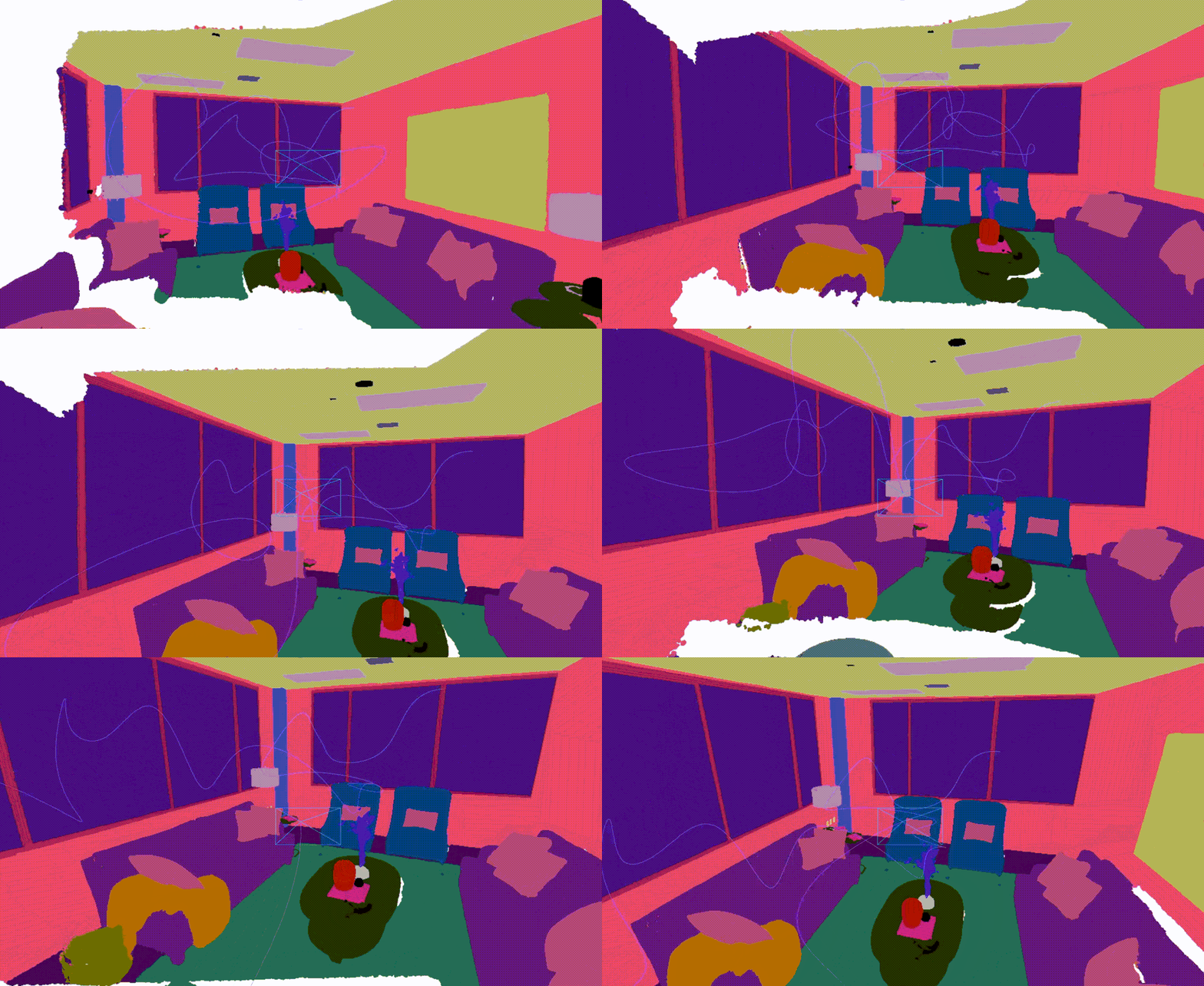
This research area studies 3D scene understanding and robotic perception from images, videos, and point clouds. It includes SLAM, NeRF, 3D Gaussian splatting, dynamic scene reconstruction, point cloud reasoning, and 3D detection and mapping for robotics.
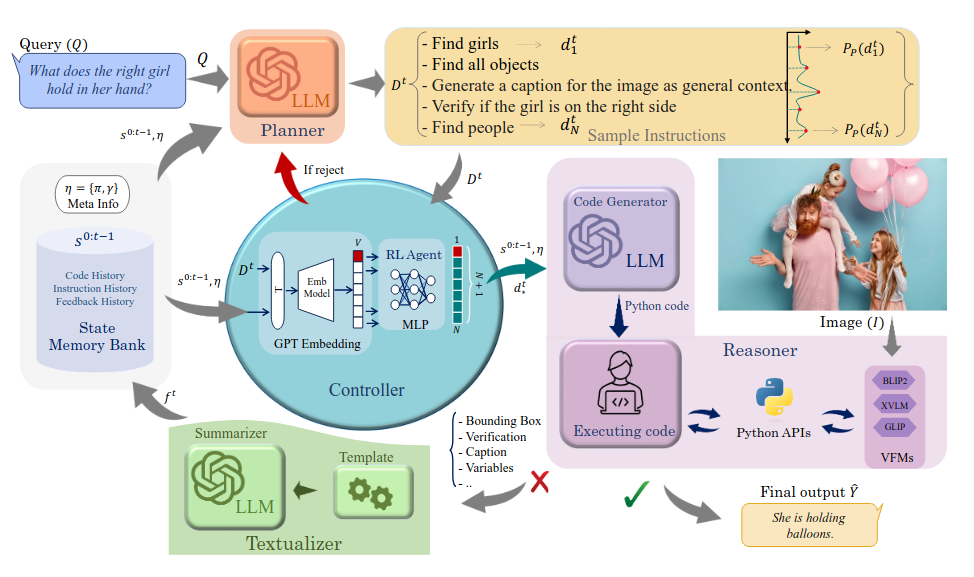
This area develops models and systems that interpret visual information through structured, compositional, multi-step, and tool-aware reasoning. It includes visual reasoning, visual grounding, neuro-symbolic reasoning, long-video understanding, and benchmark construction for evaluating reasoning in realistic robotic settings.
This line of work studies decision-making and action selection for autonomous agents operating in complex environments. It includes active mapping and planning, goal-directed navigation, multi-agent and multi-UAV planning, and planning under uncertainty for search, tracking, and robotic autonomy.
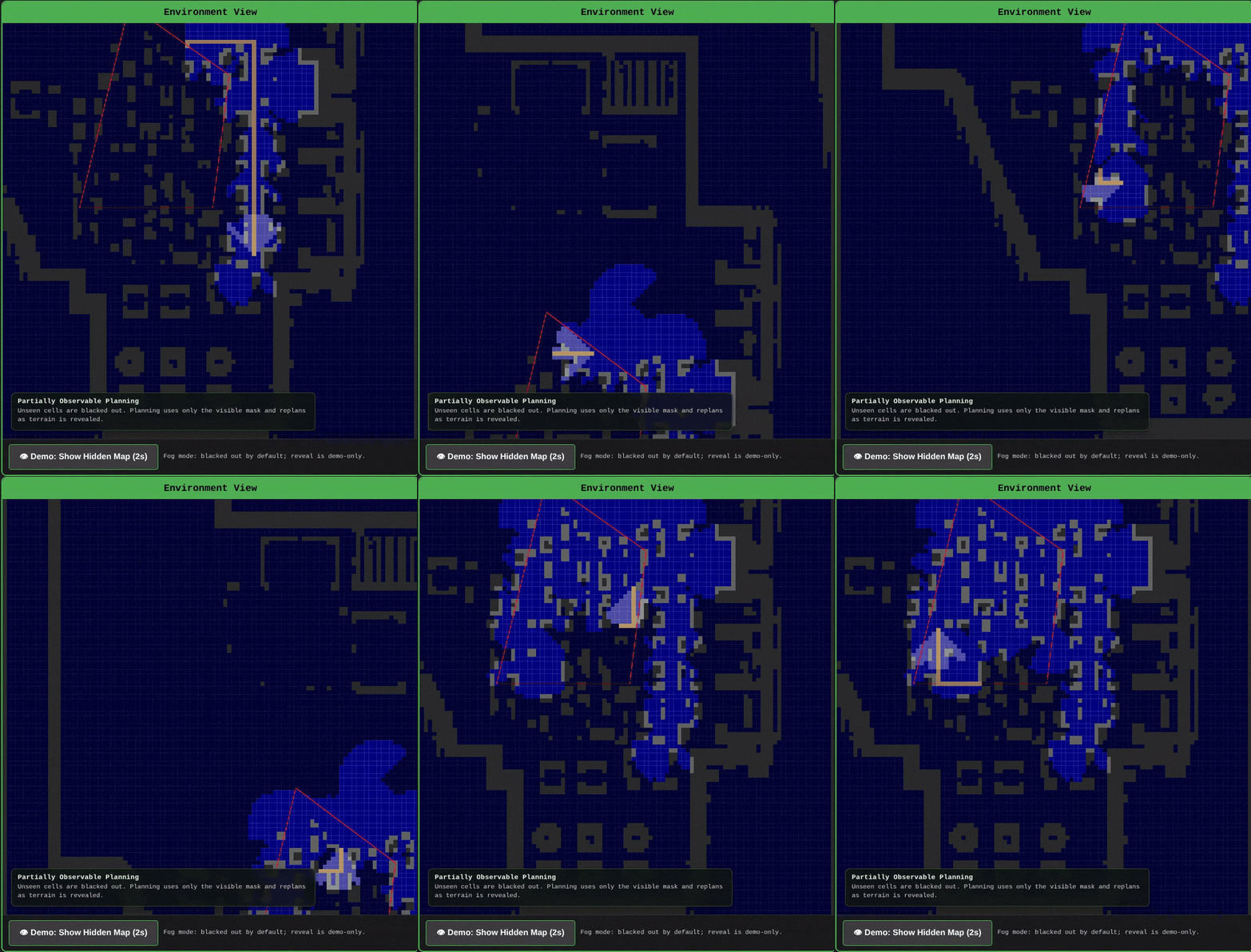
This research area targets integrated robotic and embodied AI: full systems that combine perception, reasoning, and planning on physical platforms—UAV and field robots, search-and-track missions, and human-facing deployment. It emphasizes social and in-the-wild human–robot interaction, aerial and conservation robotics, neuro-symbolic mission-level autonomy, and robotics-oriented datasets (pose, activity, multimodal sensing).
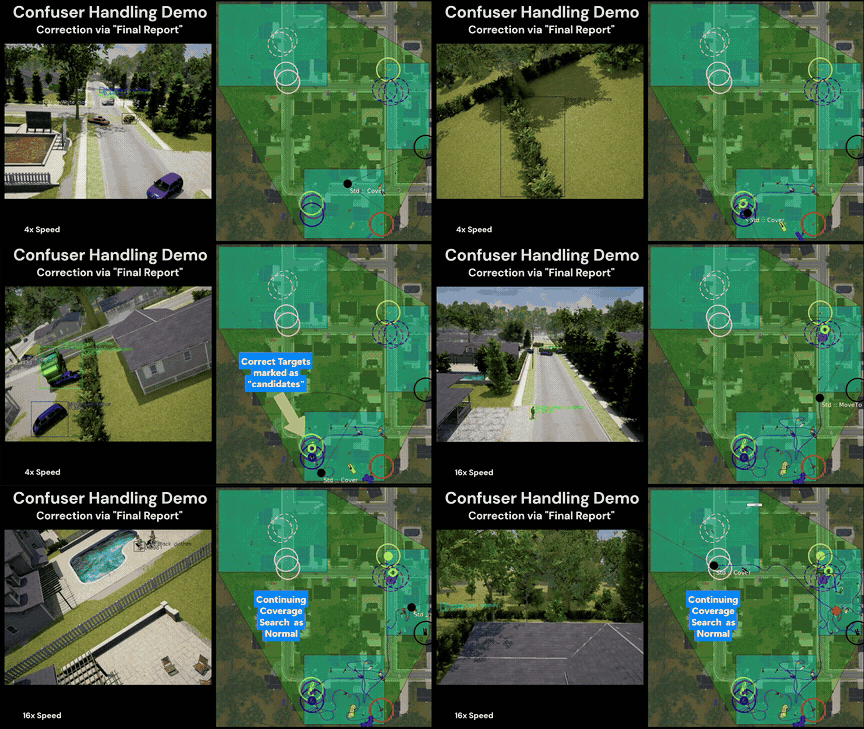
This research area develops efficient multimodal AI, distributed inference, and agentic and multi-agent architectures for real-time perception, reasoning, decision-making, and adaptive autonomy on resource-constrained robotic platforms.
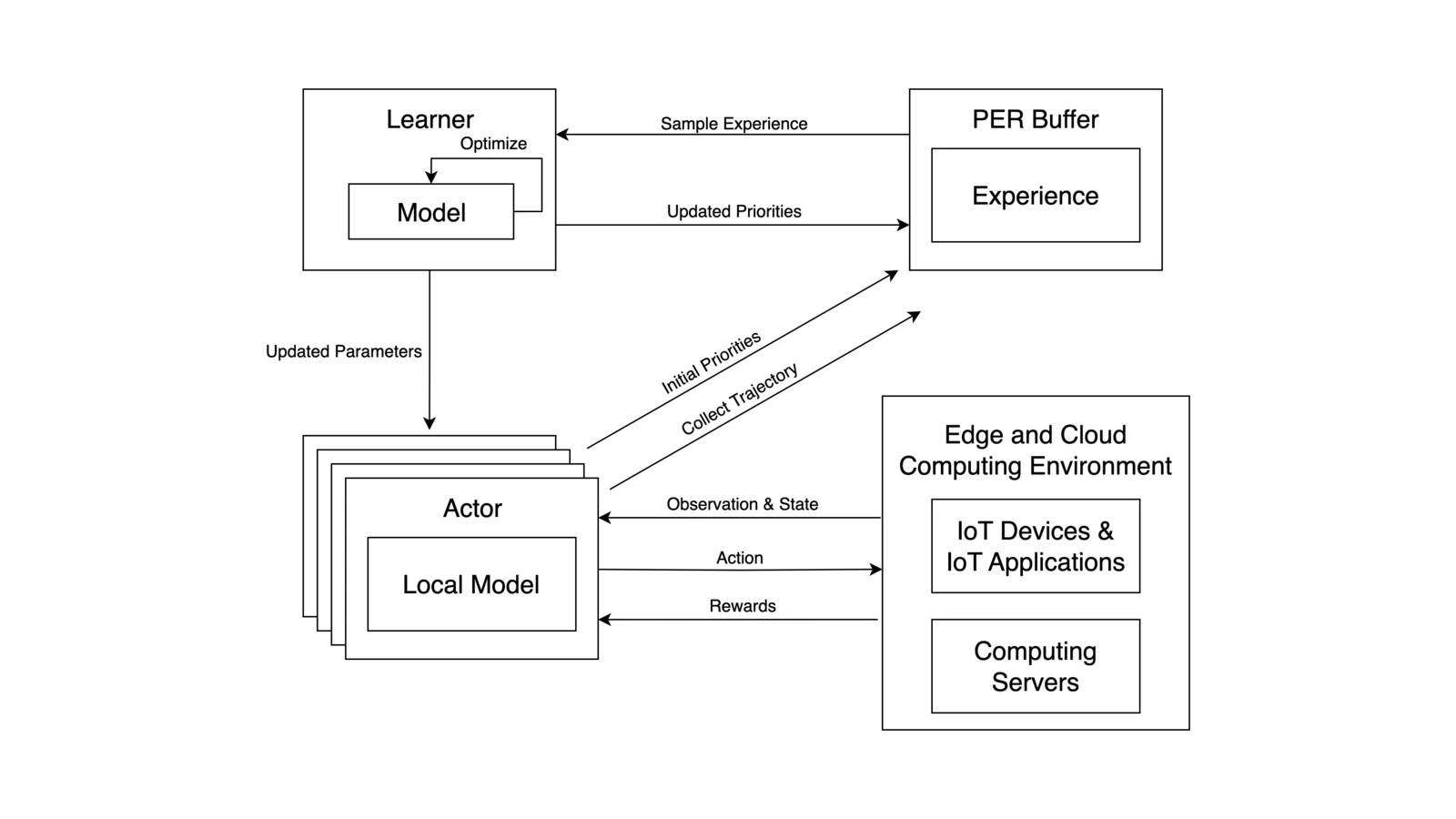
This research area designs distributed systems that orchestrate AI workloads, models, agents, and resources across robots, edge devices, and cloud infrastructure, enabling scalable, collaborative, resilient, and energy-aware robotic operations.
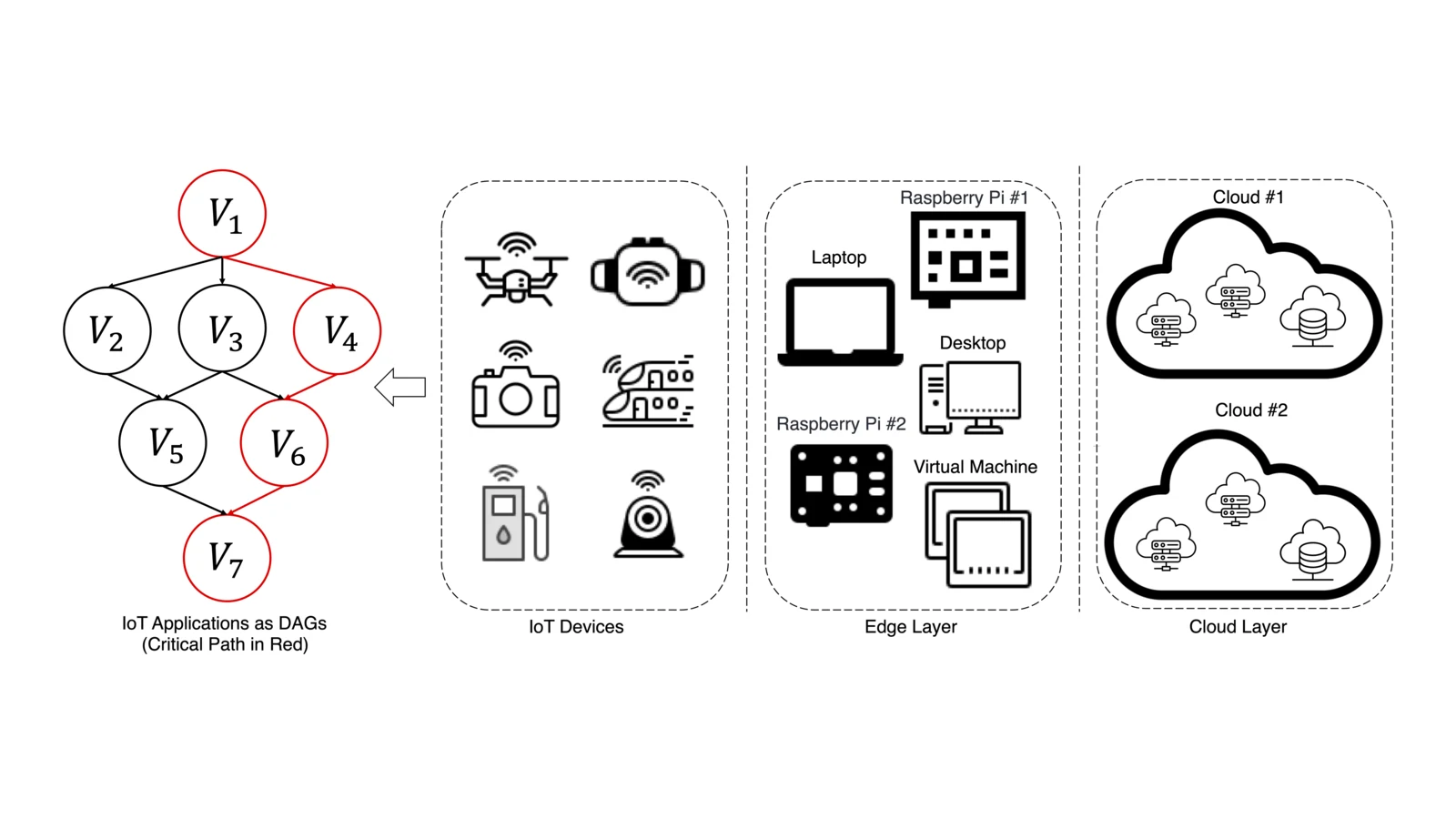
This research area makes foundation models and embodied agents safer, more reliable, and more accountable. It includes machine unlearning and concept erasure, privacy-preserving learning, model and data protection, hallucination diagnosis in vision-language models, and safety of vision-language-action models for robots that work around people.
It includes broader representation learning, optimization, multimodal learning, and adjacent ML topics that still support the lab's wider research agenda.
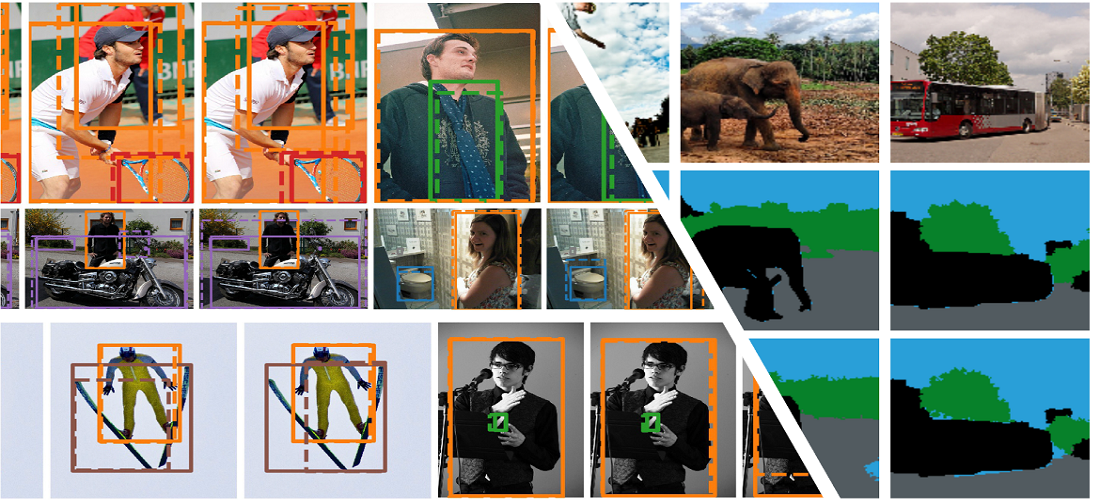
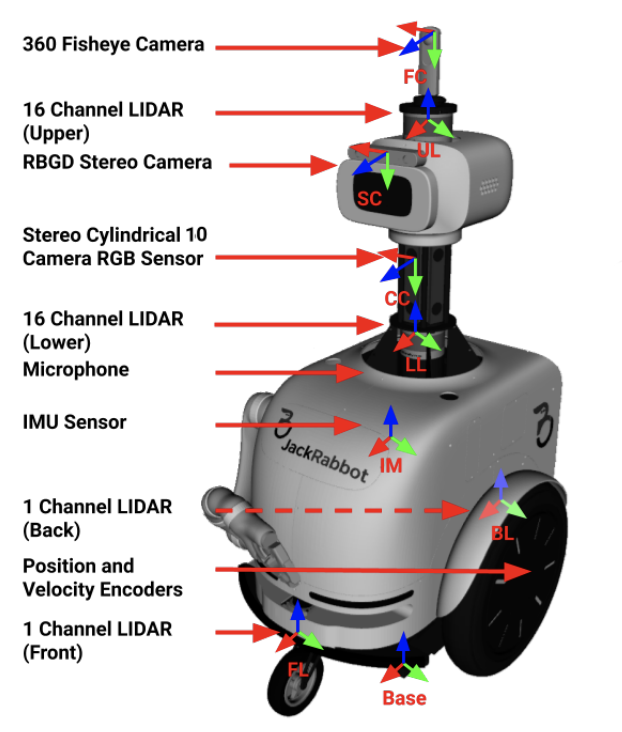
JRDB is one of VL4AI's flagship robotic perception benchmarks. It anchors later work on pose estimation, trajectory forecasting, social understanding, and reasoning in crowded human environments.
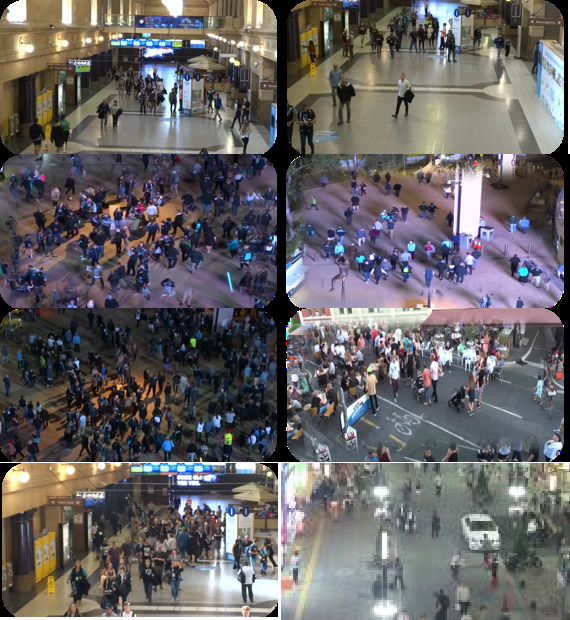
MOT20 is the benchmark anchor for VL4AI's crowded-scene multi-object tracking work.
The SoMoF benchmark grouped VL4AI's trajectory and pose forecasting work around a public evaluation target.
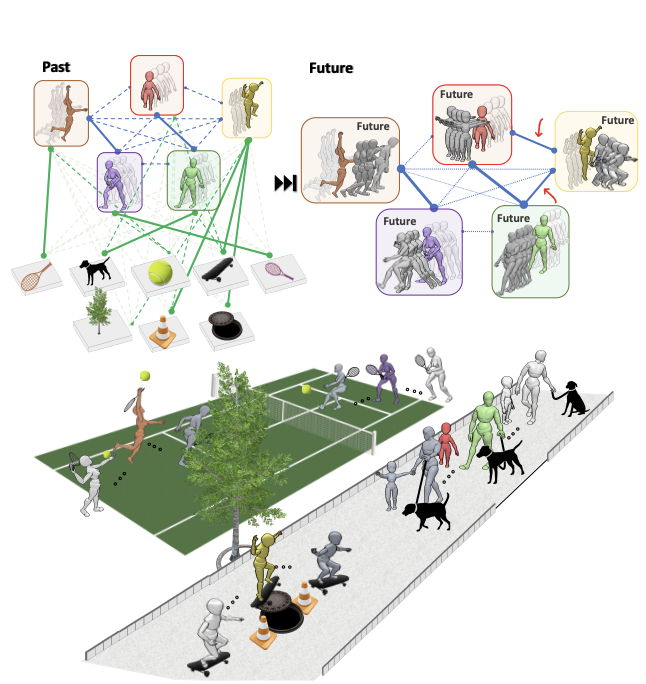
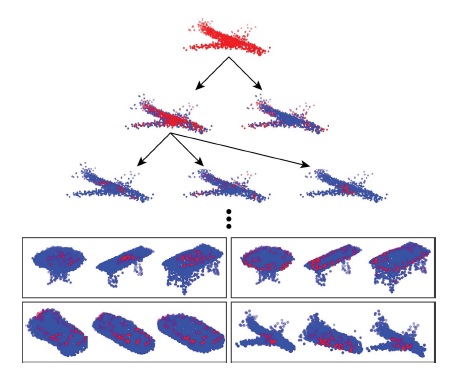
Completion3D is a benchmark reference for structural point-cloud completion work such as TopNet.
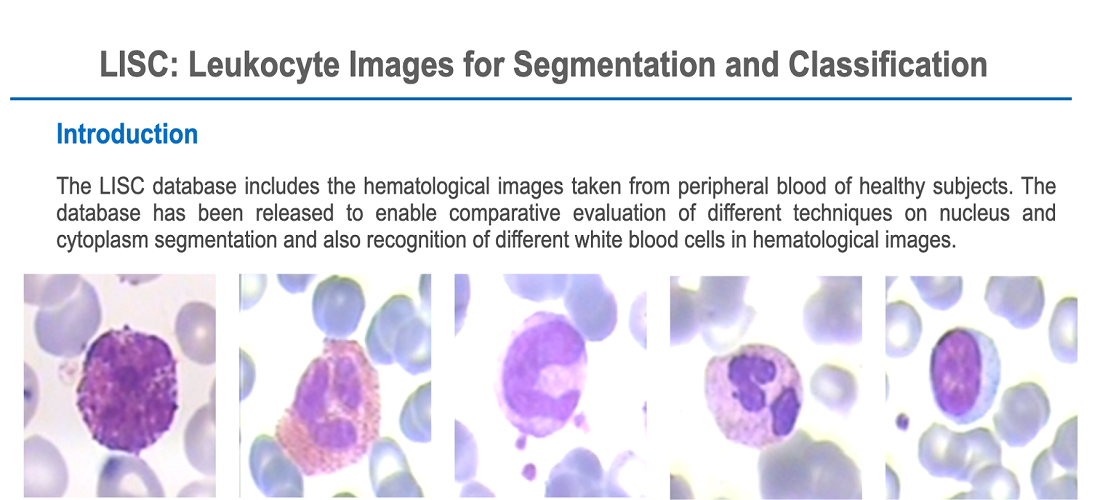
The LISC database contains hematological images taken from peripheral blood of healthy subjects. The database was released to enable comparative evaluation of nucleus and cytoplasm segmentation methods as well as recognition of different white blood cells in hematological images.